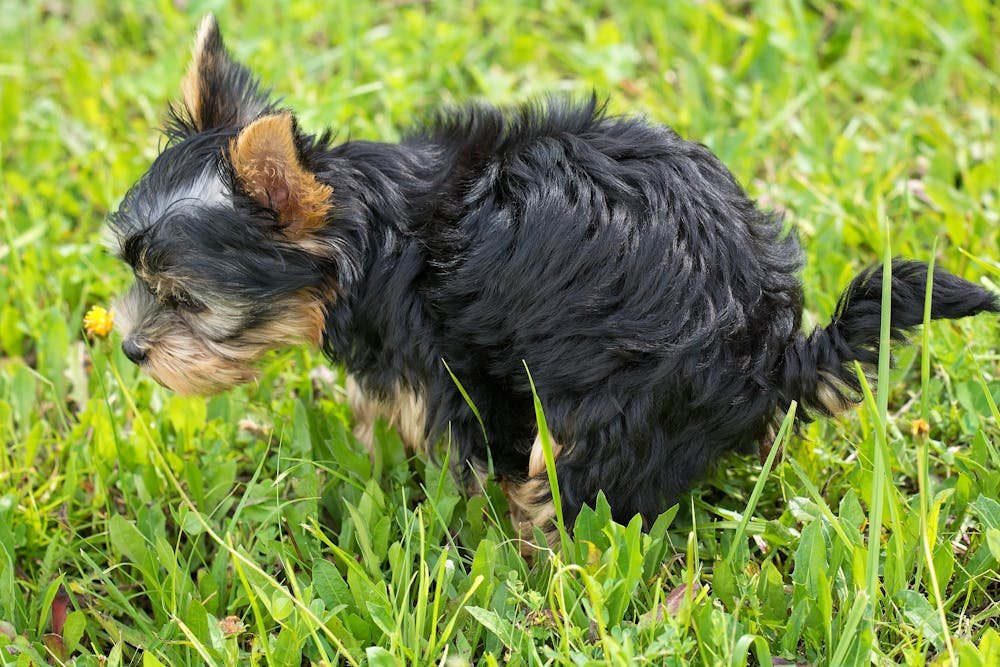
Winter in Pittsburgh has a way of hiding things. Snow piles up along sidewalks, ice coats the steps, and dog poop often disappears under a white crust. Many owners assume that once the waste freezes, the germs are gone or at least “on pause” until spring.
The science tells a very different story. Cold weather may slow bacterial growth, but it does not reliably kill the pathogens in dog feces, which can reactivate whenever temperatures rise or the snow melts. That’s one of the many reasons regular pet waste removal is important.
Leaving dog poop on the ground in winter is more than a minor annoyance. It sets off a chain of ugly, unsanitary, and sometimes dangerous effects.
1. Frozen does not mean sterile
Dog poop is often compared to raw sewage, and that’s not an exaggeration. It can contain organisms such as roundworms, hookworms, tapeworms, Giardia, Salmonella, E. coli, Campylobacter, and parvovirus. Many of these survive for weeks or even months in soil and water, long after the visible waste has broken down.
Freezing temperatures don’t reliably wipe out these germs. Instead, waste can sit like a time capsule on frozen ground, waiting for a warm spell. The next thaw gives bacteria and parasites a fresh chance to spread across sidewalks, yards, and shared green spaces.
2. Freeze–thaw cycles create “poop slush”
Western Pennsylvania winters rarely stay cold and stable. Pittsburgh often swings between freezing nights and above-freezing afternoons. Those repeated freeze–thaw cycles break apart dog poop and help release bacteria into meltwater, which can seep into soil or flow across concrete.
Studies on E. coli and Salmonella show that such cycles can actually increase the risk of contamination as organisms are repeatedly released and preserved.
The result is the familiar late-winter mess: grimy piles reappearing in the yard, brown streaks in snowbanks, and slick spots on sidewalks. It looks disgusting, and it’s also carrying pathogens wherever the meltwater goes.
3. Winter poop washes into Pittsburgh’s rivers
In a dense city, storm drains act like express lanes to waterways. The U.S. Environmental Protection Agency notes that pet waste is a source of nutrients and bacteria in stormwater runoff, which often flows straight into local rivers without treatment.
In Allegheny County, ALCOSAN’s “PUP Pledge” campaign specifically warns that dog waste left on the ground washes into drains and contaminates streams and rivers with bacteria and parasites.
When snow melts quickly on Pittsburgh’s hillsides, anything left on lawns, sidewalks, and park trails can end up in the Allegheny, Monongahela, or Ohio. That includes bacteria from thousands of dogs. Over time, this pollution affects water quality, recreation, and treatment costs for the region.
4. Parasites linger in yards and play areas
Dog feces are a major source of parasites such as Giardia and roundworms. Research shows these organisms can persist in soil and on outdoor surfaces, sometimes for years, while remaining capable of infecting humans and other animals.
Children, who are more likely to touch snow, mud, and grass and then rub their eyes or mouths, are especially vulnerable.
Leaving winter poop in place allows parasite eggs to spread across the yard as snow shifts and melts.
5. Germs hitch a ride indoors
Winter means boots, stairs, and lots of shared indoor areas. When dog waste sits on icy sidewalks, it’s easy for someone to step in it without noticing. The residue travels onto porch steps, apartment hallways, car mats, and living-room rugs.
Exposure to animal feces is associated with diarrheal illness and other infections, especially in young children and people with weaker immune systems.
A trace on the bottom of a boot may not seem like much, but once it’s ground into a doormat or carpet, it becomes one more invisible way pathogens move from outdoors to indoors.
6. Neighborhoods start to look and smell neglected
Even when snow masks it for a while, dog poop eventually shows itself. By late winter, parks and sidewalks can be dotted with thawing piles, sending a clear message that no one is taking responsibility.
Community groups and stormwater programs across the country point out that pet waste is more than a nuisance. It drags down neighborhood appearance and public spaces.
Also Read: Environmental Impact of Dog Waste: Why Proper Disposal Matters
7. The broader health and environmental cost adds up
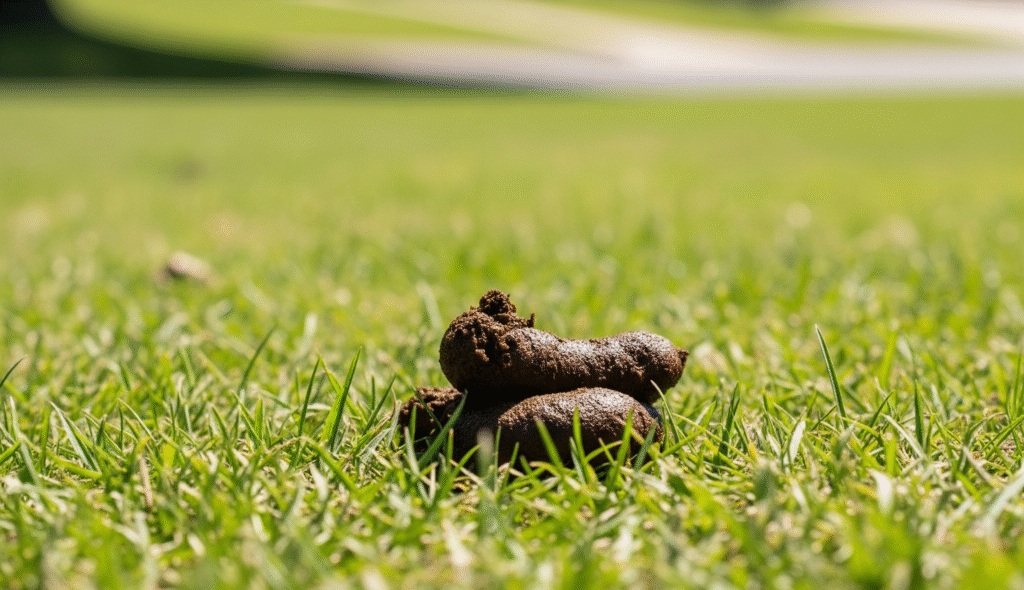
Pet waste contributes bacteria, nutrients, and even antibiotic-resistant organisms to the environment. Scientific reviews describe dog feces as a reservoir for resistant bacteria and a source of protozoa and worms that threaten public health.
Nutrients from decomposing poop feed algae and weeds, which can reduce oxygen in streams and stress fish and other aquatic life.
Newer research links unattended dog waste to rising levels of bacterial pollution in urban environments, putting more pressure on already stressed water systems.
For a river city like Pittsburgh, with aging infrastructure and combined sewer overflows, ignoring dog poop in winter is one more strain on systems that are already working hard to keep water safe.
Regular Pet waste removal in every season keeps pathogens from building up in yards, alleys, and shared patches of grass behind row houses.
For busy families or for properties with large or sloped yards, professional services that focus on dog poop removal can take on the cold-weather cleanups and keep accumulation from getting out of hand. Give your yard back to your family and let Dookie Doctors handle the dirty work with fast, reliable pet waste cleanup across Pittsburgh. Get an estimate now: https://dookiedoctors.com/