Living in a community with a homeowners’ association (HOA) means your dog isn’t just your buddy, your dog is also a neighbor. Clean common areas keep people healthy, protect local water, and prevent arguments. When it comes to dog poop removal in Pittsburgh, here’s what pet owners should know about HOA waste rules in 2026 and how to avoid warnings, fines, and tense emails.
Why HOAs care about dog waste
Dog poop isn’t just messy. It carries germs and nutrients that wash into storm drains when it rains. That runoff can pollute creeks, ponds, and beaches. The U.S. Environmental Protection Agency explains that pet waste adds bacteria and excess nitrogen and phosphorus to urban waters, which hurts water quality.
There’s also a health angle at home. The CDC notes that parasites like roundworms (toxocariasis) spread through contact with infected dog or cat poop. Picking up waste and washing hands lowers that risk.
Also Read: Environmental Impact of Dog Waste: Why Proper Disposal Matters
The core rule: pick up every time, everywhere
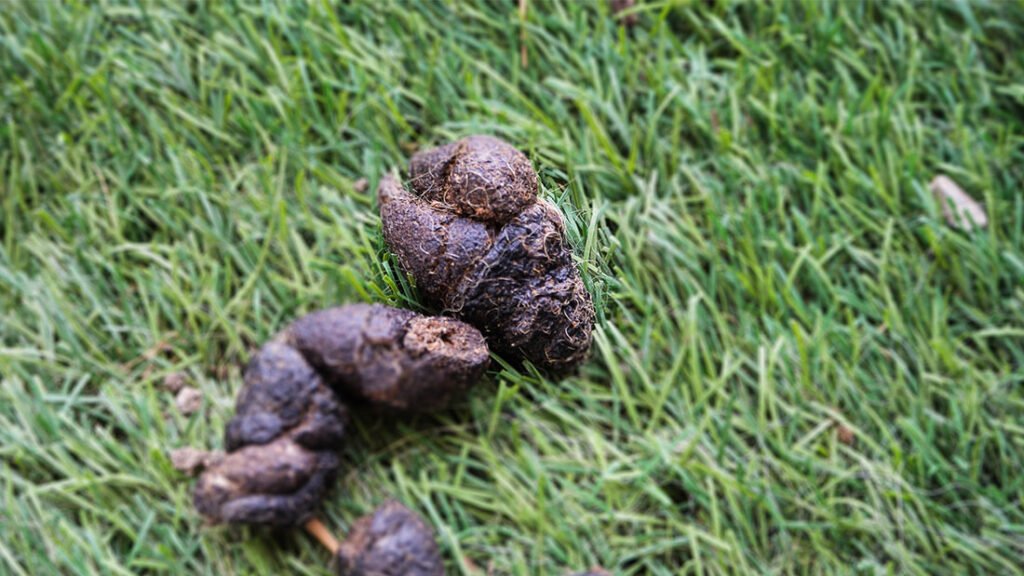
Most HOAs require you to pick up immediately: on grass, sidewalks, planters, trails, and natural areas. “I’ll grab it on the way back” doesn’t fly. Even when an HOA’s rules do not spell out every possible location, leaving waste in a shared area can still violate sanitation, nuisance, or common-area rules.
Bag it and bin it. Carry bags, tie them shut, and put them in a trash bin or the pet-waste station can. Don’t toss bags into bushes or leave them on the curb. City and county stormwater programs say this “bag and trash” method prevents pollution and odors in shared areas.
If you live within the City of Pittsburgh, local rules add another reason to clean up immediately. The city identifies dog defecation on school grounds, parks, or other public or private property as a nuisance, but notes that immediately cleaning up after the dog prevents it from being treated as that type of nuisance violation.
What you’ll see around the community
Many HOAs install pet stations with bags and covered cans. The most useful stations are placed near entrances, walking routes, green spaces, and other areas where dogs regularly pass. Well-placed stations make pickup simple and cut down on complaints.
You may also see signs marking dog-friendly routes or small “relief” areas. These aren’t hints; they’re part of the rules. Use them when they’re available so cleanup stays easy and consistent.
Leash and area rules go hand in hand
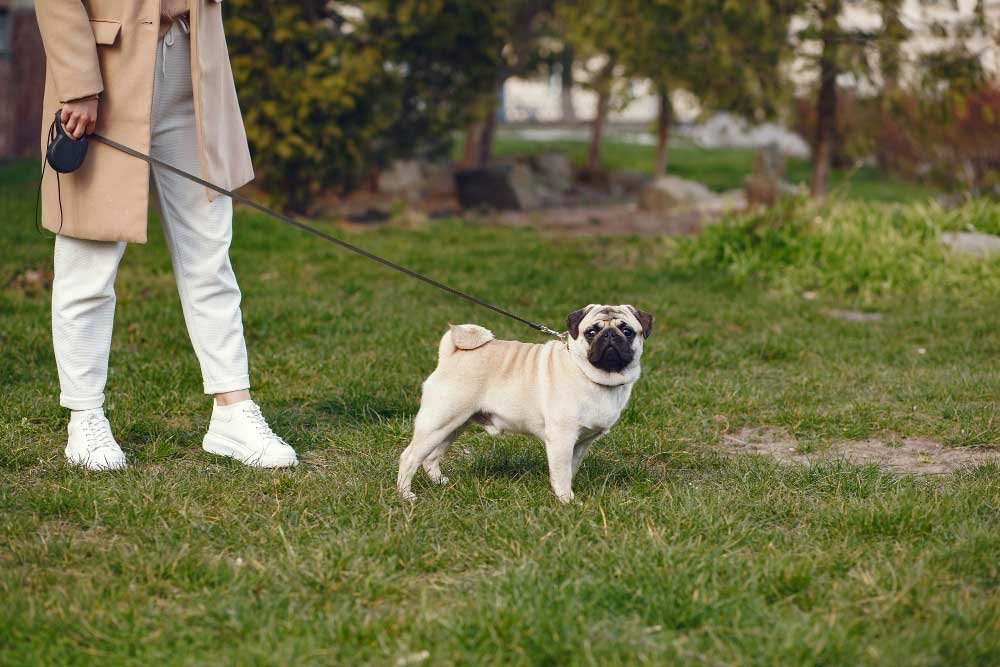
Waste rules often sit next to leash rules. HOAs commonly restrict dogs near pools, playgrounds, and clubhouses. Keeping your dog on a leash helps you see and remove waste right away, which is the whole goal.
Pittsburgh dog owners should also know that dogs are not permitted to run unleashed on public streets, sidewalks, other public places, or someone else’s property. When walking a dog in the city, the leash or chain must be no more than six feet long.
Fines and due process
Enforcement varies by community, so don’t assume every HOA follows the same warning-and-fine schedule. Read your declaration, bylaws, and current rules to see how pet-waste violations are handled.
For Pennsylvania planned communities covered by the Uniform Planned Community Act, an association may levy reasonable fines for violations of its declaration, bylaws, or rules after providing notice and an opportunity to be heard. If you receive a violation notice, check the deadline for responding or requesting a hearing instead of ignoring it.
What about service and support animals?
Assistance animals have protections under the Fair Housing Act, and an HOA or other housing provider may need to make reasonable accommodations to animal-related policies for a person with a disability. An assistance animal is not treated simply as a pet under federal housing guidance.
That does not mean owners should assume every community sanitation rule disappears. Residents using assistance animals should review any applicable cleanup requirements and request a reasonable accommodation if a disability affects their ability to comply with a particular rule.
Simple habits that keep you violation-free
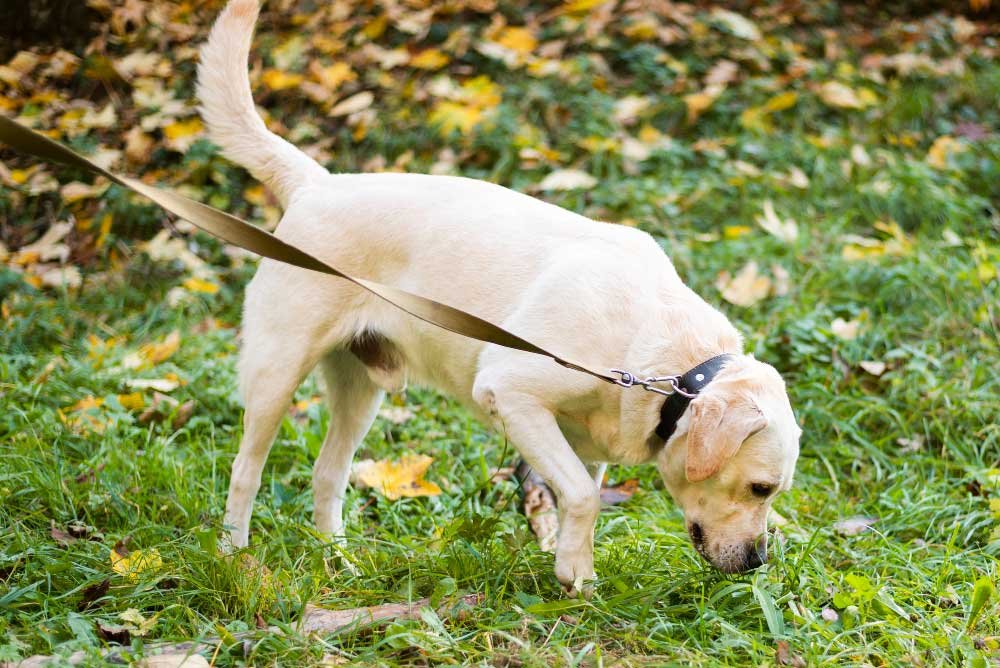
- Carry extra bags. Keep a roll by the door, in the leash pouch, and in the car.
- Pick up immediately. Don’t leave it “for later.” Rain or sprinklers can move waste into drains within minutes.
- Tie the bag and trash it. Use stations or your household bin. Never in storm drains.
- Wash your hands. Good hygiene breaks the parasite cycle noted by the CDC.
- Stick to marked areas. When relief zones or routes exist, they’re there to make pickup faster for everyone.
Common mistakes that still get people fined
- “I left the bag on the curb to grab later.” That’s littering, and it counts as a violation.
- “It’s the woods, it’ll break down.” Decomposition doesn’t remove bacteria and nutrients that can wash into water.
- “My dog went off-leash and I didn’t see it.” Uncontrolled roaming leads to missed cleanup and complaints, then fines.
Can you compost or flush dog waste?
Don’t assume dog waste belongs in a backyard compost pile or storm drain. Storm drains are especially important to avoid because stormwater systems can carry pollution directly to local waterways.
For most HOA residents, the simplest option is to seal the waste in a bag and place it in an approved trash container or pet-waste bin. If you want to use another disposal method, check your HOA rules and local waste or sewer guidance first.
When life gets busy, hire help
Travel, injury, or a packed week can make daily pickup tough. Hiring a reliable yard-cleaning company keeps you compliant and keeps odors down. A professional dog poop removal service in Pittsburgh PA can also help prevent waste from building up between lawn care visits, especially in multi-dog households.
HOAs, property managers, apartment communities, and other shared properties can also schedule professional cleanup for common areas and pet-waste hotspots. Regular service can prevent overflowing stations, reduce resident complaints, and make shared green spaces more pleasant to use.
Bottom Line:
HOA pet-waste rules are easiest to follow when you know both your community’s written policy and the local rules where you live. Pick up immediately, dispose of waste properly, keep your dog under control, and respond promptly if your HOA sends a violation notice.
Clean paths and lawns help everyone. They also protect local waters and wildlife. If your board needs extra support, a vendor can service stations and high-traffic spots on a set schedule. Communities stay cleaner, and people notice. Looking for more help where you live? A professional dog poop removal service in Pittsburgh PA like Dookie Doctors can keep things tidy all week long while you focus on the fun parts of pet ownership.