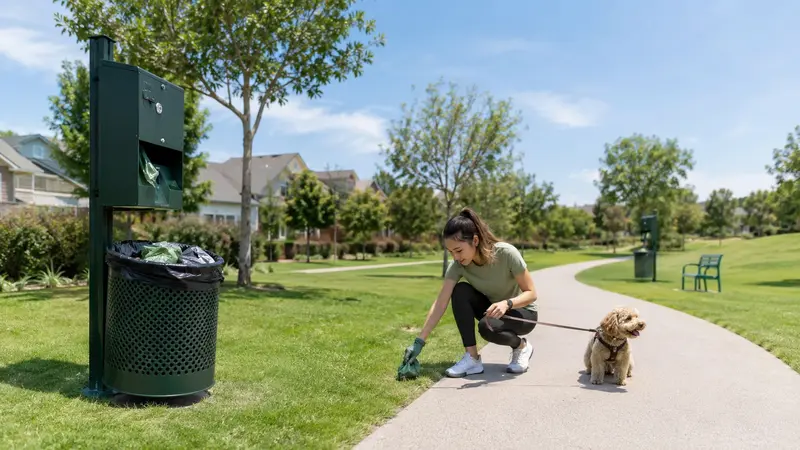
Dog waste in an HOA community is not only a resident-behavior issue. It is a property-management issue. Shared lawns, sidewalks, dog runs and pet relief areas need a cleanup system that works even when reminders do not.
For community managers and HOA boards, the real question is whether the community has a plan for keeping common areas clean, usable and fair for residents. That is where pet waste removal for HOAs in Pittsburgh becomes part of routine property care, not just a response to complaints.
Why HOA Dog Waste Becomes a Management Problem
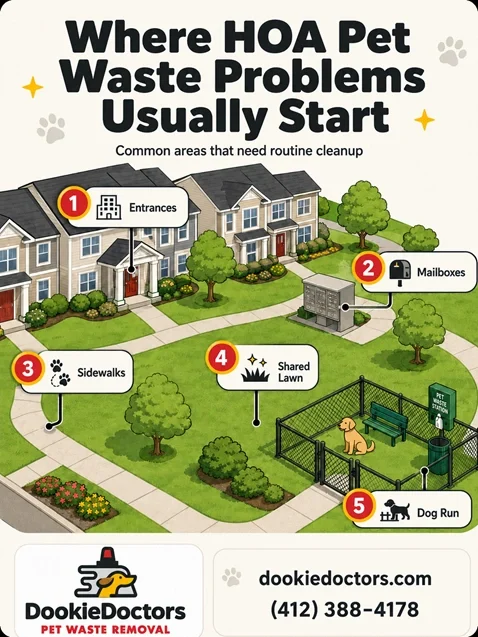
HOA communities often have several dogs using the same shared outdoor areas, such as sidewalks, lawns, entrances, mailbox areas and dog runs. A private homeowner usually has one yard and one cleanup routine. In a community setting, however, many residents use the same spaces, and waste can collect before anyone feels responsible for handling it.
The trouble spots are predictable: grass near sidewalks, pet relief zones, entrances, mailbox clusters, parking areas and fenced dog spaces. Once one area gets ignored, residents notice quickly. Complaints follow, and the issue grows.
Good HOA dog waste rules help set expectations. But rules alone do not clean the grass. An HOA also needs a practical system for dog waste cleanup for common areas.
Common Areas Need a Different Plan Than Private Yards
Common areas have more users, less direct accountability and more public visibility than private yards. That is why HOA dog waste cleanup should be planned around traffic, not just complaints.
In a Pittsburgh HOA, one shared lawn may serve dog walkers, children and residents walking to cars or mailboxes. If dog waste stays there, the space stops feeling maintained and creates tension between pet owners and non-pet owners.
Community managers should think of cleanup the same way they think about landscaping, trash pickup or snow removal: a routine service that protects shared space.
What a Pet Waste Removal Service Can Handle for an HOA
A professional service gives the community a repeatable process. Dookie Doctors provides commercial pet waste removal Pittsburgh communities can use for HOAs, apartment properties, dog parks and shared outdoor spaces.
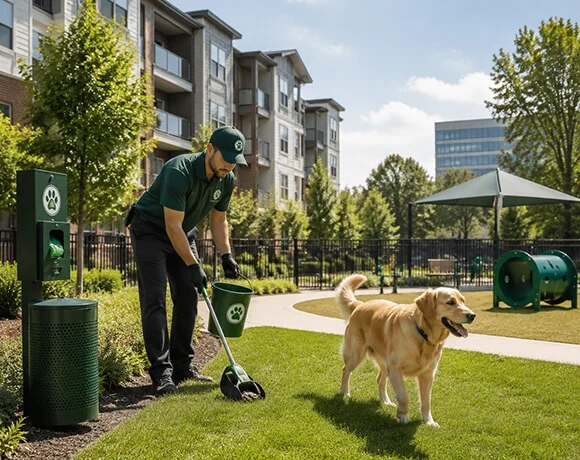
For an HOA, that may include walking common lawns, checking pet relief areas, cleaning around dog stations, removing waste from high-traffic zones and helping reduce odor in problem areas. It can also include a custom schedule based on dog traffic, property layout and seasonal conditions.
A small townhome community may need a different plan than a larger community with walking paths, several pet stations and a fenced dog area.
How Often Should an HOA Schedule Pet Waste Cleanup?
There is no perfect schedule. The right frequency depends on the number of dogs, property size, layout and complaint history.
Weekly service work for a smaller HOA with light dog traffic. A more active community may need weekly or twice-weekly cleanup. Dog runs, pet relief zones and areas near pet waste stations may need closer attention because waste builds up faster where dogs repeatedly go.
Pittsburgh weather also affects timing. Rain can spread residue. Snow can hide waste until thaw. Fall leaves can make cleanup harder. Spring can reveal buildup at once.
Pet Waste Stations Help, But They Need Maintenance
Pet waste stations are useful, but they are not a complete solution by themselves. Bags run out. Bins fill up. Stations sometimes sit too far from where dogs actually go. Waste can still collect in the grass around the station if residents miss the bin or avoid cleanup.
Community managers should treat stations as part of the system, not the whole system. Placement, restocking, bin checks and surrounding-area cleanup all matter.
Health, Odor and Stormwater Concerns
Dog waste is not just a cosmetic issue. It can affect odor, sanitation and water quality, especially in shared spaces that many residents and pets use. Pet waste can add nutrients, parasites and bacteria to waterways when it is not properly disposed of.
For HOAs, the takeaway is simple: waste should be removed before rain, snowmelt and repeated foot traffic make the problem harder to manage.
What Community Managers Should Ask Before Hiring a Service
Before choosing a pooper scooper service Pittsburgh communities can rely on, HOA managers should ask direct questions. Which areas will be checked during each visit? Can the service cover shared lawns, dog runs, sidewalks and pet stations? Can the schedule change during spring thaw, summer odor season or winter buildup?
For communities outside the city, service area matters too. Dookie Doctors provides Allegheny County pet waste cleanup across many local communities, so HOA boards should confirm coverage before building a plan.
A Cleaner HOA Plan Keeps the Issue From Taking Over
Dog waste should not dominate board meetings. With clear rules, well-placed stations and recurring cleanup, HOAs can keep shared outdoor areas cleaner without turning every complaint into a new enforcement debate.
Dookie Doctors helps Pittsburgh HOAs, property managers and community teams build cleanup plans around real property needs. If your community needs pet waste removal Pittsburgh residents can count on, or a dog poop removal service in Pittsburgh PA for common areas, our team can help keep the mess from becoming the main event.
Poop is bad for community business. We make it easier to keep it handled.
Pingback: Pittsburgh Dog Poop Laws: Nuisance Rules & Cleanup Duties | Dookie Doctors Pet Waste Removal