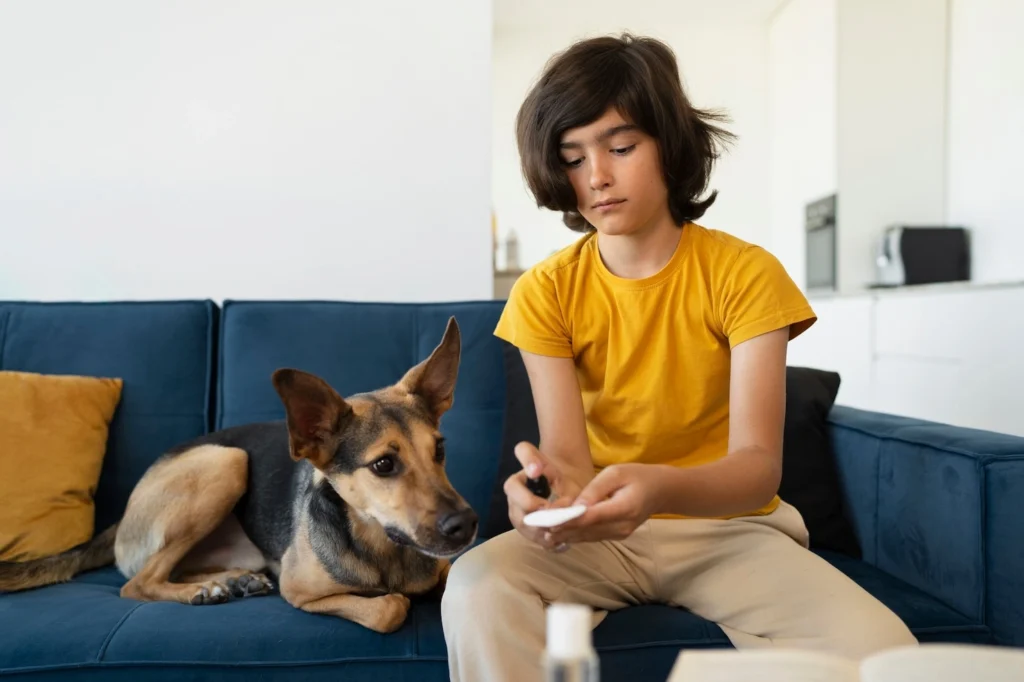
For many Pittsburgh families, the backyard is both play space and dog run. When dog waste sits in the grass, that shared space can create hygiene concerns. Young kids touch the ground, grab toys from the lawn, sit in the grass, and put their hands near their faces. A yard that looks “mostly clean” to an adult can still expose a child to germs from pet waste.
Can Dog Poop Make Kids Sick?
Yes. Dog feces can make children sick when they touch waste, contaminated dirt, grass, shoes, or toys and then put their hands near their mouth. The Centers for Disease Control and Prevention says dog poop can carry germs that make people and animals sick, and it recommends picking it up even in your own yard, especially where children play. The risk does not mean every backyard accident will lead to illness. It means pet waste should be removed quickly and play areas kept clean.
Why Children Face More Risk in the Yard
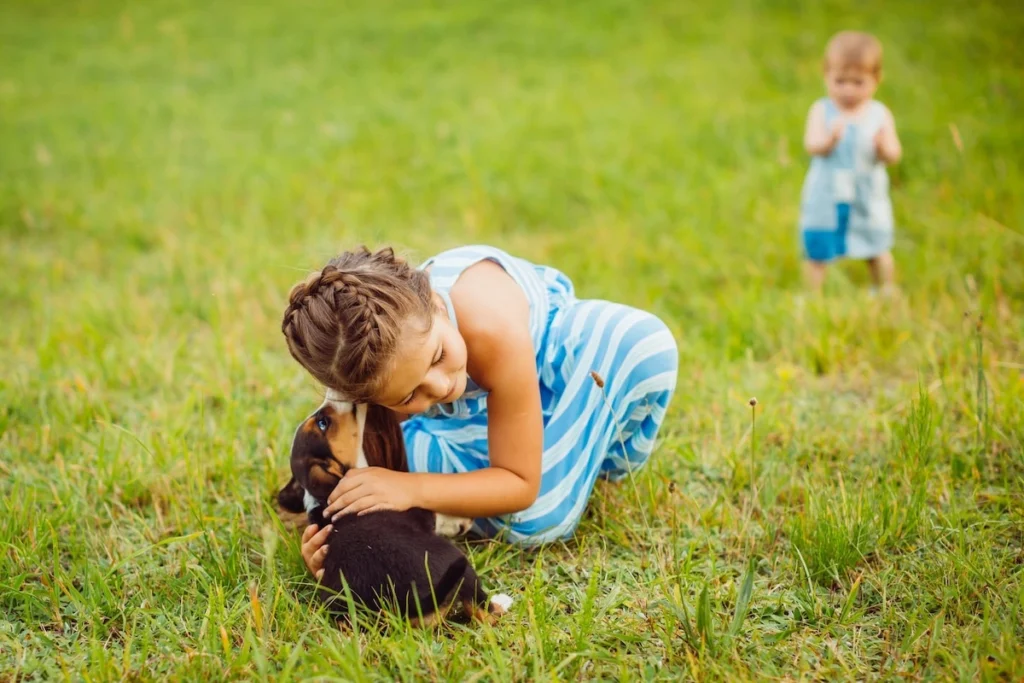
Children use yards differently than adults. A toddler may crawl, sit, fall, or roll a ball through grass that an adult simply walks across.
The CDC notes that children under 5 are more likely to get sick from germs animals can carry because their immune systems are still developing. They also touch contaminated surfaces more often and put their hands in their mouths more often. That pattern makes a contaminated yard a bigger concern for families with small children.
What Germs or Parasites Can Dog Waste Carry?
Dog poop can contain organisms that affect people, especially when feces remains outdoors and mixes with soil. One concern for parents is roundworm. The CDC explains that toxocariasis can spread through contact with infected dog or cat feces. Roundworm eggs can get into a person’s mouth through contaminated dirt or unwashed hands.
Other germs may cause stomach upset, diarrhea, fever, or discomfort. Rain, foot traffic, and mowing can move residue around. Dried waste is not harmless. Once it breaks apart, it can blend into soil.
Common exposure routes include:
- Touching dog poop directly
- Playing in contaminated grass or dirt
- Handling outdoor toys that sat near waste
- Walking barefoot in dog bathroom areas
- Tracking residue indoors on shoes
- Eating snacks outside without washing hands first
What Should Parents Do If a Child Touches Dog Poop?
Most incidents call for calm, thorough cleanup.
- Start with soap, warm water, and patience.
- Scrub the child’s hands well, including under fingernails. If clothing, shoes, or socks touched waste, remove and wash them.
- Clean outdoor toys that may have been nearby.
- Watch for symptoms such as diarrhea, vomiting, fever, stomach pain, coughing, rash, or eye irritation.
- Call a pediatrician if the child may have swallowed feces, if symptoms appear, or if the child has a weakened immune system. When in doubt, medical advice beats guessing.
Why Pittsburgh Backyards Need Extra Attention
Pittsburgh yards can be tricky, with small lots, slopes, tree cover, and damp weather. Rain can spread waste residue across a lawn. Hills can move runoff toward patios, playsets, garden beds, or lower areas. After winter, families often find hidden waste once snow melts and outdoor play resumes.
Dog waste on school grounds, parks, or public or private property can be a nuisance issue unless the owner immediately cleans it up. That local expectation matches good backyard hygiene.
How Often Should Dog Poop Be Removed From a Family Yard?
For homes with children, pick up dog waste before playtime. If that is not realistic every day, inspect the yard several times a week and clean high-use areas first. Families with more than one dog, a small yard, young children, or frequent playdates may need a tighter schedule.
A recurring pet waste cleanup provider can help busy Pittsburgh households. The service is less about having a perfect lawn and more about reducing the chance that kids step, sit, or play in contaminated spots. It also helps with odor, flies, and spring cleanup after winter.
Backyard Safety Checklist for Parents
Use this checklist as a simple routine:
- Walk the yard before children play.
- Pick up visible waste right away.
- Keep bags, gloves, or a scooper near the door.
- Wash children’s hands after outdoor play.
- Store balls and toys in a bin.
- Keep kids from playing barefoot in dog bathroom areas.
- Create a separate potty zone for pets, if space allows.
- Clean shoes before coming inside.
- Talk with your veterinarian about parasite prevention.
- Arrange regular yard waste pickup if the chore keeps falling behind.
These steps create a cleaner handoff between pet care and family time.
When is Professional Cleanup Worth It?
Professional yard cleanup may make sense when the household has young children, multiple dogs, a compact yard, or limited time. It also helps before parties, cookouts, or busy weekends.
Dookie Doctors serves homeowners who want a cleaner outdoor space without adding another job to the family schedule. A clean yard is easier to enjoy and safer for the children and pets who use it every day.
A helpful companion resource is “Dog Waste in Your Yard: Everything Pittsburgh Homeowners Need to Know,” which covers the broader yard health, odor, cleanup, and homeowner concerns behind the safety issues discussed here.
Frequently Asked Questions:
Can children get worms from dog poop?
Yes. Children can be exposed to roundworm eggs when infected dog feces contaminates soil, grass, or hands. The CDC links toxocariasis to contact with infected pet feces and contaminated dirt, so handwashing and prompt cleanup matter, especially before snacks or meals.
Is dried dog poop still unsafe?
It can be. Dried waste may break apart and mix into soil or grass. Even when the pile is no longer obvious, the area may still be dirty enough to treat as contaminated and clean before play.
Should I clean the yard before kids play?
Yes, especially in areas where kids run, sit, crawl, or use toys. A quick scan before playtime can prevent most direct-contact accidents and keeps the yard ready for normal family use.
What symptoms should parents watch for?
Watch for diarrhea, vomiting, stomach pain, fever, coughing, rash, or eye irritation. Call a pediatrician if symptoms develop, if a child may have swallowed waste, or if your child has health concerns.
Is recurring cleanup worth it for families?
For many busy families, yes. Regular service keeps waste from piling up and makes the yard more dependable for play, pets, weekend gatherings, and the first warm days after a Pittsburgh winter.
Pingback: Dog Waste in Your Yard: Pittsburgh Homeowner Guide | Dookie Doctors Pet Waste Removal