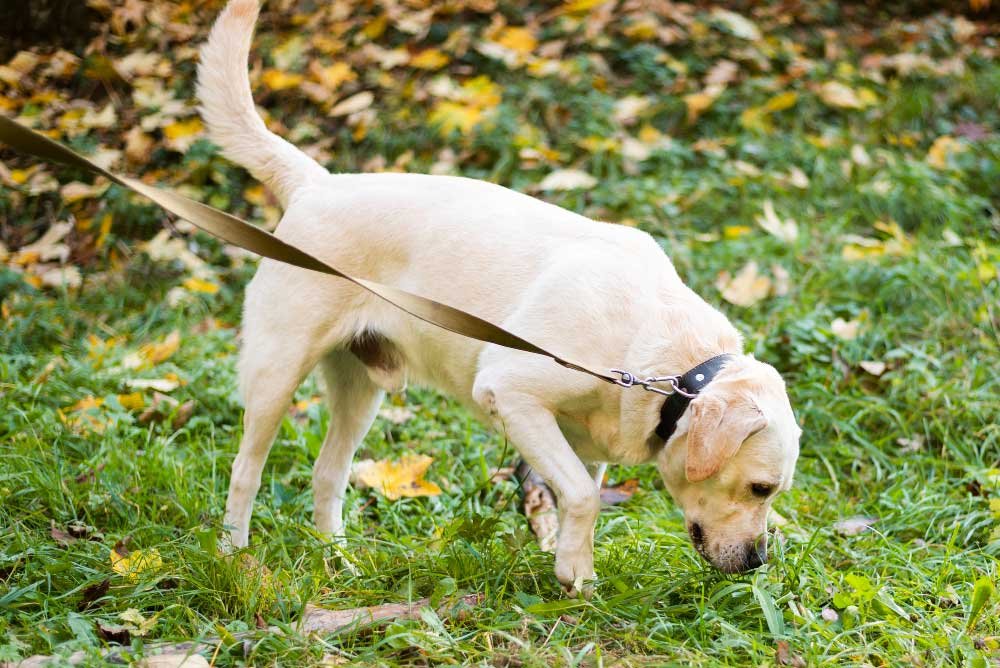
If you’ve caught your dog in the act and wonder why does your dog eat poop, you’re in crowded company. Veterinarians call it stool-eating, and it turns up in puppies, adults, and even dogs who seem otherwise well trained. The behavior can be a one-off gross moment, but it can also signal a fixable problem in routine, training, or health.
What poop-eating can tell you
Dogs investigate with their mouths, so the “why” is rarely simple. One useful rule: if this is new, escalating, or paired with symptoms (vomiting, diarrhea, weight loss, big appetite changes, or unusual thirst), treat it like a health question first. Medical contributors should be ruled out before labeling the behavior as purely behavioral.
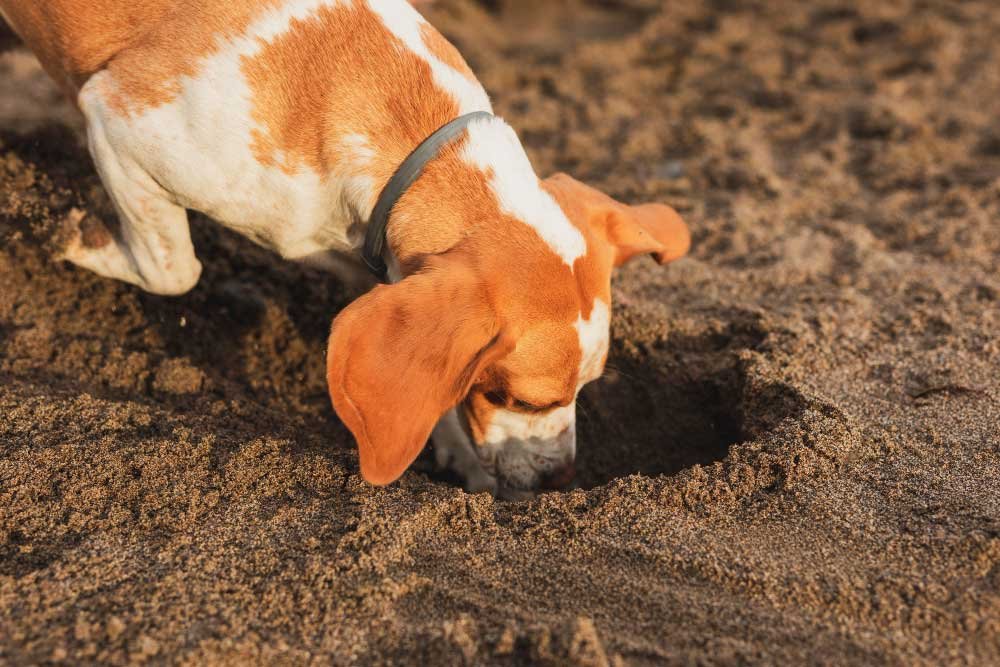
Reason 1: Hunger, diet gaps, or poor digestion
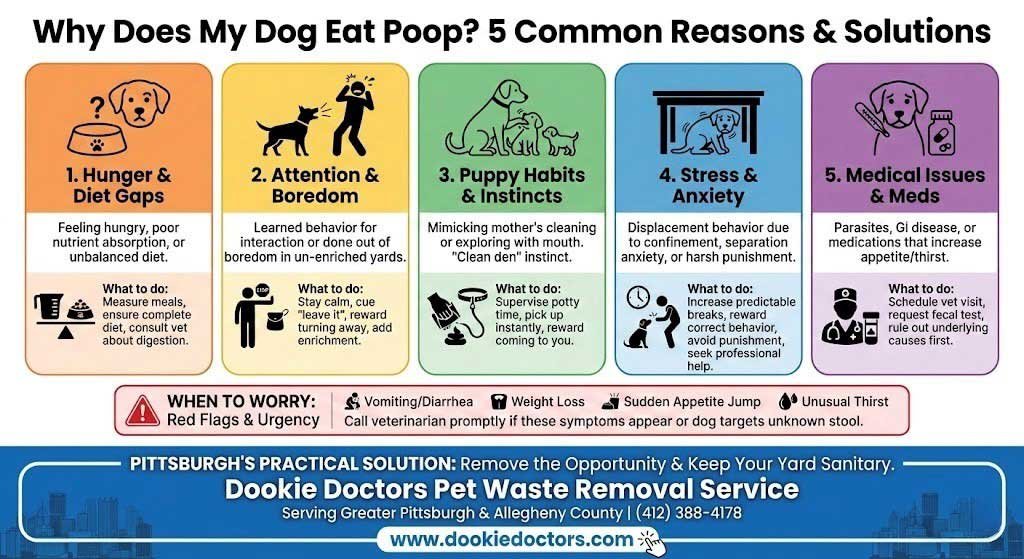
Some dogs eat stool because they feel hungry, they race through meals, or their diet doesn’t suit them. In other cases, the dog may not be absorbing nutrients well, so they keep foraging. This doesn’t mean you’re “underfeeding” on purpose; it can happen with generous portions if the food is unbalanced for the dog’s life stage or if treats crowd out real nutrition.
What to do
Measure meals, keep treats predictable, and choose a complete diet for your dog’s age and size. If your dog seems constantly hungry or is losing weight, ask your vet about parasites, digestive disorders, and other causes of increased appetite.
Reason 2: Attention, boredom, and the fast payoff
Dogs repeat what works. If grabbing poop makes you sprint over, shout, and chase, some dogs decide it’s a reliable way to get interaction. Others do it in quiet boredom, especially in small yards where the same smells sit all week. Attention-seeking and learned associations can drive the habit.
What to do
Stay calm, cue “leave it,” then reward your dog for turning away. Add small doses of enrichment: a short training session after work, a food puzzle a few nights a week, or a longer sniff walk on weekends.
Reason 3: Puppy habits and “clean den” instincts
Puppies mouth everything. They also copy what they see. Mother dogs clean their young, and puppies can pick up the idea that stool isn’t off limits. In multi-dog homes, the habit can spread quickly if one dog starts and others follow.
What to do
Supervise potty time and pick up right away. Reward your dog for coming to you after they finish. If your yard is a temptation zone, use the leash for a couple of weeks so you can interrupt and redirect.
Reason 4: Stress, anxiety, and “hiding the evidence”
Stool-eating can show up as a stress behavior. Some dogs do it when confined, when separation anxiety flares, or when house-training has included punishment. Pet health experts describe anxiety-driven stool eating as a displacement behavior in some dogs.
What to do
Increase predictable potty breaks and reward the right behavior instead of scolding the wrong one. If your dog panics when alone, talk with your veterinarian or a credentialed behavior professional about a structured plan.
Reason 5: Medical issues and certain medications
Sometimes poop-eating has a medical backdrop: parasites, gastrointestinal disease, and conditions that increase appetite or thirst can all contribute. Experts emphasize checking for underlying medical causes, and some medications (like corticosteroids) can raise appetite, making scavenging more likely.
What to do If the behavior starts suddenly or comes with other changes, schedule a vet visit and ask about a fecal test. Once you know what you’re dealing with, training gets easier and safer.
A practical plan for Pittsburgh Pet Owners
In Pittsburgh neighborhoods with shared sidewalks, parks, and compact backyards, access is the biggest driver. Start with fast pickup. If you’d rather not manage it yourself, a dog poop clean up service removes the opportunity and keeps the yard more sanitary between visits. Dookie Doctors serves the greater Pittsburgh area and Allegheny County, offering recurring pickups and one-time cleanups.
One detail many families miss: poop left in the yard doesn’t just tempt your dog, it changes how the whole space feels. Odor lingers, kids track it inside, and neighborhood wildlife can add new “samples.”
Regular pickup keeps the routine simple: fewer chances to practice the habit, fewer surprises when guests come over. If you’re in the Pittsburgh area and want help staying on top of it, Dookie Doctors can be reached at (412) 388-4178.
Next, train “leave it” indoors with low-value items, then practice outside. Reward quickly. Most dogs improve when you combine management (no access) with training (better choices).
Coprophagia in dogs: when to worry
Poop-eating is always unpleasant, but it’s more urgent when your dog targets unknown stools on walks or shows signs of illness. Call your veterinarian promptly if you see vomiting, diarrhea, blood in stool, weight loss, a sudden jump in appetite, or unusual thirst.
Also Read: What’s “Normal”? How Often a Healthy Dog Should Poop
Frequently Asked Questions
1. Why does my dog eat poop all of a sudden?
A sudden change can mean stress or a health shift. Look for other signs: diarrhea, vomiting, weight loss, or increased thirst. If anything else seems off, start with a vet visit and a fecal test so you’re not guessing.
2. How do I stop my dog from eating poop on walks?
Keep your dog close on leash in high-traffic areas, cue “leave it,” and pay well for listening. Don’t chase or yell, since that can turn it into a game. Pick routes with fewer “hot spots” while training catches up.
3. Is it normal for puppies to eat poop?
It’s common in puppies because they explore with their mouths and learn quickly from what’s available. Cleanup plus supervision is the fastest fix. Reward your puppy for coming to you right after potty breaks, and provide safe chews so they aren’t hunting for trouble.
4. Why does my dog eat cat poop from the litter box?
Many dogs find it appealing because it can contain undigested nutrients. Management usually works best: baby gates, a covered box, or placing the litter box behind a cat-only door. Add “leave it” so the rule follows your dog around the house.
5. Can parasites cause a dog to eat poop?
Parasites and digestive problems can contribute by upsetting digestion or increasing appetite, and eating stool can also expose dogs to parasites. A fecal exam helps break that cycle. If tests are negative, focus on access control, enrichment, and training consistency.